Roots, Wool, and Imagination: Slovenia’s Materials Meet Modern Craft

Today we immerse ourselves in From Forest and Fleece to Design: Sustainable Slovenian Materials Reimagined by Contemporary Makers, following living resources from forest canopy and alpine pasture to studios where ingenuity, care, and community reshape what everyday objects can mean. You will meet mindful processes, hear grounded stories, and discover practical ideas for reducing impact, extending product life, and honoring place. Join the conversation, bring your questions, and help shape a future where beauty, usefulness, and responsibility walk together.

Storm-Felled Spruce, Second Lives

After severe winter ice brought down spruce across valleys, craftspeople partnered with foresters to reclaim trunks otherwise left to decay or chip. Drying schedules adjusted to the stress patterns of each log, makers mapped cracks into joinery, and finishes highlighted scars rather than hiding them. What began as damage transformed into stories: shelves, stools, and instruments that hold memory of wind, frost, and recovery, teaching that resilience can be functional, elegant, and quietly restorative when patience guides every decision.

Beech and Oak: Strength with Responsibility

Dense beech and seasoned oak travel short distances from managed plots to small mills, where cuts are planned to minimize waste and reveal stable grain. Makers balance tradition—air drying, careful stacking, hand selection—with modern moisture readings and transparent paperwork. Rather than over-specifying perfection, they welcome mineral streaks and knots, designing forms that embrace natural variation. The result is furniture that lasts, feels grounded in its region, and signals that true strength includes accountability to forests and communities.

From Sawmill to Studio: Low-Impact Logistics

Reducing impact is not just about materials; it is also about how they travel. Designers coordinate with nearby mills, consolidate deliveries, and schedule production around seasons to reduce heated storage. Offcuts are returned for smoking food or warming workshops, and sawdust becomes compost or animal bedding through neighborhood exchanges. These modest logistics create bigger outcomes: fewer miles driven, cleaner workspaces, and relationships that turn individual studios into a resilient local network supporting forests, families, and the tools that make careful craft possible.

Wool That Warms Beyond Winter: From Fleece to Future

From alpine pastures to valley looms, wool connects animals, landscapes, and hands. Contemporary makers are rebuilding value for fibers that were once undervalued, paying fairly for shearing, honoring animal welfare, and investing in softening techniques that preserve durability without harsh chemistry. They experiment with felting, spinning profiles, and fabric blends that keep breathability while extending use into interiors and daily wear. By telling the whole journey, they transform a familiar fiber into an invitation to dress, dwell, and repair with gentle intention.

Design Alchemy: Turning Raw Matter into Meaning

Good design listens first. In these studios, sketches trace grain direction, hand positions, and woven tension long before lines become products. Proportions arise from tasks—sitting, stirring, storing—rather than trends. Materials speak quietly: a branch’s curve suggests a handle; a fiber’s bounce suggests upholstery. Makers test, repair, and rework, preferring honest joints over hidden fasteners and finishes that invite touch. This patience yields objects that feel inevitable, yet personal, as if they had been waiting to be found for years.

Material-Led Sketching and Constraint

Instead of forcing a shape onto wood or wool, designers begin by handling offcuts, bending card, and pinning yarn. Photographs of shadows, fingerprints, and bench clutter help reveal ergonomic clues and assembly shortcuts. Constraints—board width, spindle spacing, felting shrinkage—become guides, not obstacles, shaping silhouettes that fit resources exactly. When sketches finally harden into jigs and patterns, the result is lighter, stronger, and more honest, because it grew from materials and use, not from wishful outlines detached from reality.

Prototyping for Disassembly and Repair

Joints that knock down, screws that remain visible, and finishes easy to refresh turn maintenance into a pleasure rather than a chore. Makers label components, supply spare buttons or pegs, and publish care notes with clear drawings. Owners gain agency to tighten, wash, and refinish at home, extending life while avoiding disposable behavior. This philosophy embraces evolution: a stool may change legs, a cushion may gain a zipper, and history accumulates gracefully as repairs deepen attachment rather than signaling failure or decline.

Circular Stories: Waste, Byproducts, and Elegant Reuse
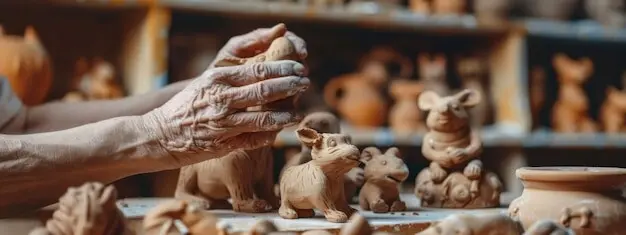
Circular craft here is pragmatic rather than preachy. Offcuts become patterns, test pieces, and mosaics; wool too coarse for garments becomes acoustic panels and planters. Packaging is minimized or designed for return, and take-back programs regain parts for refurbishment. These practices create economic resilience for small studios while keeping materials useful longer. Objects become hubs of exchange, not endpoints, feeding workshops with learnings and resources that spin through seasons, travels, and the creative lives of their caretakers.

Heritage in Conversation with Now

Join the Makers: Participate, Share, and Support

This movement grows when you join it. Try a repair tutorial, visit a studio on your next hike, or choose objects whose origins you can name. Ask questions about fibers, finishes, and aftercare, then tell friends what you learn. Subscribe for maker diaries, invite feedback on your own experiments, and share photos of repairs that renewed attachment. Together we create a circle where use deepens meaning, and every purchase feels like a vote for beauty with responsibility attached.
Naridavopentokirazera
Privacy Overview

This website uses cookies so that we can provide you with the best user experience possible. Cookie information is stored in your browser and performs functions such as recognising you when you return to our website and helping our team to understand which sections of the website you find most interesting and useful.